



During the Pahlavi era, the mine was reconstructed on a semi-industrial scale and, equipped with newer machinery, was considered one of the country’s important sources of lead for a period of time. However, as time passed and its economic viability declined, industrial extraction at the mine decreased.

In the 1980s and earlier, the mine was known as a village, employing 700 workers and having a population of approximately 2,000 people. Facilities such as a school and other amenities were also available in the area.

Kimia Goharan Lead and Zinc Mining Company began its operations in 2000 under the name “Koohbanan Rooy-e Kerman”. Over the years, the company has conducted mining activities in various regions across the country, including Kerman and Zanjan.
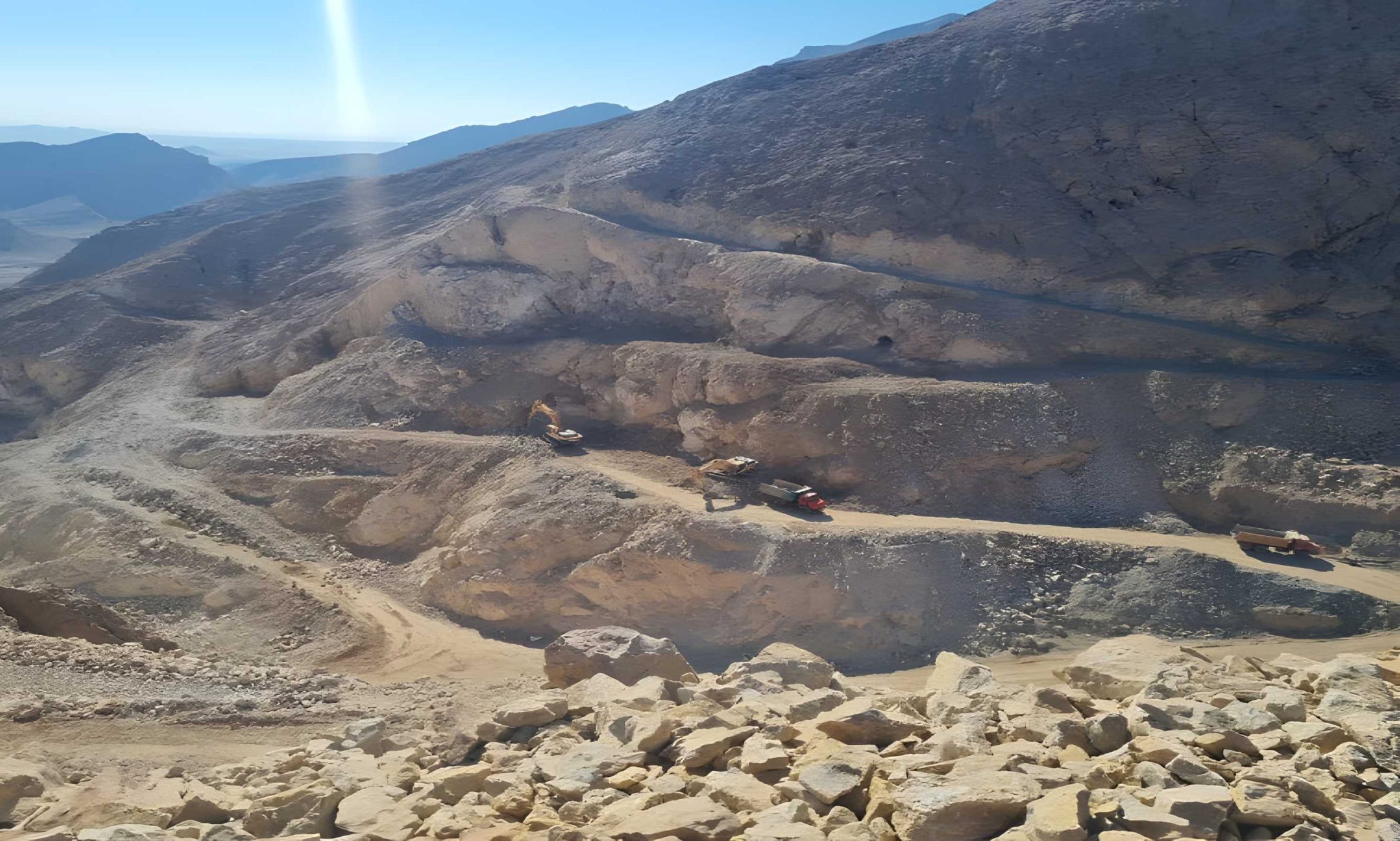
In December 2016, a strategic operating agreement for the Nakhlak Lead Mine was signed with the Iran Mineral Procurement and Production Company (IMPASCO). Furthermore, the company’s workforce has grown from 153 employees at the beginning of the contract to 800 employees today.

At present, after constructing a new plant with a daily feed capacity of 2,000 tonnes, the company has successfully brought online the first phase with a capacity of 1,000 tonnes per day. Following the acquisition of new machinery for the extraction of feed material, necessary measures are being taken to launch the second 1,000-tonne-per-day phase of the new plant.
During the Pahlavi era, the mine was reconstructed on a semi-industrial scale and, equipped with newer machinery, was considered one of the country’s important sources of lead for a period of time. However, as time passed and its economic viability declined, industrial extraction at the mine decreased.
In the 1980s and earlier, the mine was known as a village, employing 700 workers and having a population of approximately 2,000 people. Facilities such as a school and other amenities were also available in the area.
Kimia Goharan Lead and Zinc Mining Company began its operations in 2000 under the name “Koohbanan Rooy-e Kerman”. Over the years, the company has conducted mining activities in various regions across the country, including Kerman and Zanjan.
In December 2016, a strategic operating agreement for the Nakhlak Lead Mine was signed with the Iran Mineral Procurement and Production Company (IMPASCO). Furthermore, the company’s workforce has grown from 153 employees at the beginning of the contract to 800 employees today.
At present, after constructing a new plant with a daily feed capacity of 2,000 tonnes, the company has successfully brought online the first phase with a capacity of 1,000 tonnes per day. Following the acquisition of new machinery for the extraction of feed material, necessary measures are being taken to launch the second 1,000-tonne-per-day phase of the new plant.